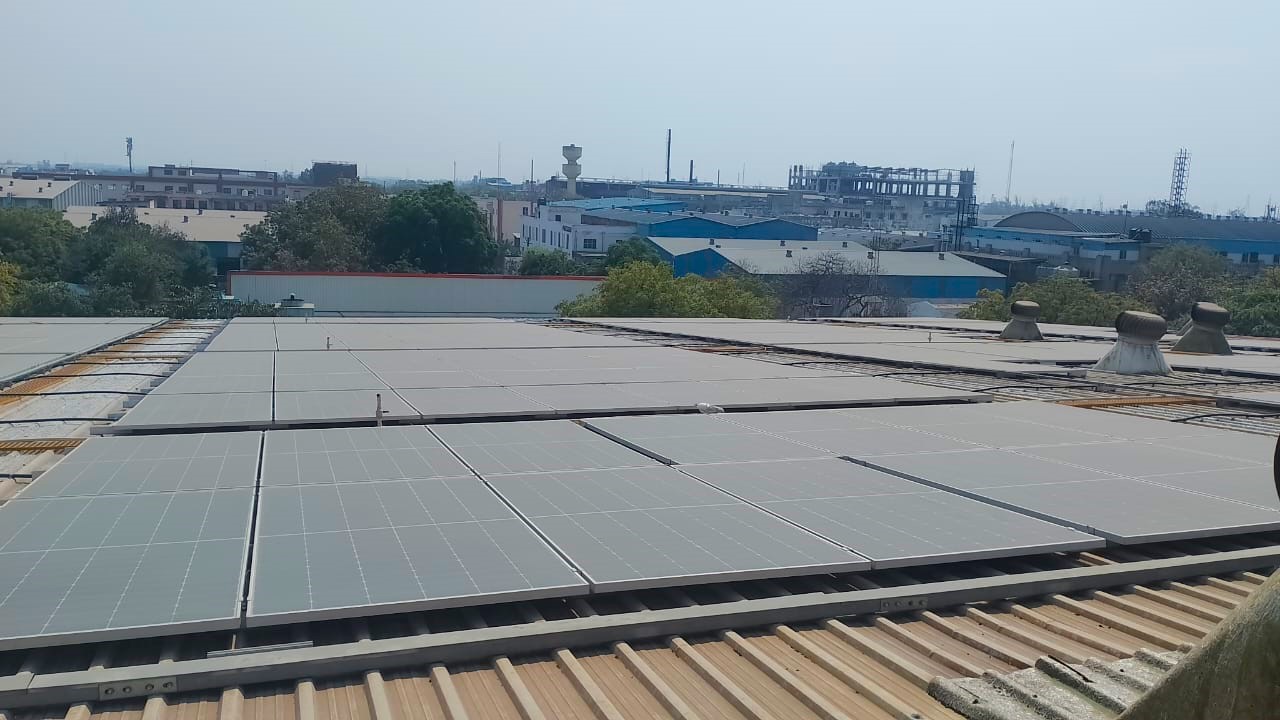
India is the world's second-largest rice producer, cultivating over 44 million hectares of rice, which significantly contributes to both the domestic market and exports. Rice mills, where paddy is processed into rice, are energy-intensive operations. From cleaning and hulling to polishing and packaging, rice mills require substantial electricity to maintain smooth operations. A reliable power source is essential, especially in states where rice production is high, and the demand for energy-intensive processes is constant.
As the country moves towards sustainable energy solutions, a solar power system for rice mills offers a promising avenue for reducing operational costs, ensuring an uninterrupted energy supply, and contributing to environmental sustainability.
Major Rice-Producing States and Districts in India
Rice cultivation spans many regions of India, but a few states stand out due to their significant contributions to the rice industry:
- West Bengal: The top rice-producing state in India, contributing around 14% of the country’s total rice production. Major districts include Burdwan, Bankura, and Nadia.
- Uttar Pradesh: Known for its fertile plains and extensive agriculture, this state contributes significantly to rice production. Important districts are Gorakhpur, Ghazipur, and Basti.
- Punjab: Despite being associated with wheat, Punjab has a robust rice cultivation system, especially in districts like Ludhiana, Amritsar, and Kapurthala.
- Andhra Pradesh: Known for its high-quality Sona Masuri rice, districts like East Godavari, West Godavari, and Krishna lead the way.
- Bihar: A key state with districts such as Rohtas, Bhagalpur, and Aurangabad prominent in rice production.
- Odisha: With its coastal and river-based agriculture, Odisha is a major rice-growing state, with Cuttack, Ganjam, and Balasore among its leading rice-producing districts.
- Tamil Nadu: Known for both rice and paddy farming, districts like Thanjavur, Nagapattinam, and Tiruvarur stand out.
Energy Requirements in Rice Mills
A solar power solution for rice mills is ideal due to the high energy demands of dehusking, milling, polishing, sorting, and packaging. Key areas where energy use peaks include:
- Parboiling units: This steam-intensive stage benefits from solar power to offset electricity costs.
- Milling machines: Solar power provides the reliable energy needed for large motors and heavy machinery in milling and polishing.
- Drying systems: Solar energy can reduce operational costs by powering dryers used to prepare paddy for processing.
- Storage and packaging: Solar power meets the energy demands of refrigeration, automated packaging, and lighting in round-the-clock operations, cutting costs effectively.
The Role of Solar Power in Rice Mills
Solar power is a clean, sustainable alternative to traditional energy sources for rice mills. By installing a solar power system for rice mills, mill owners can ensure a continuous energy supply, reduce dependency on expensive grid electricity or diesel-powered generators, and lower operational costs.
Here’s why a solar power solution for rice mills is ideal:
- Uninterrupted Power Supply: Solar systems provide a reliable energy source, addressing frequent power outages and using storage for night-time operations.
- Cost Reduction: Solar power can cut electricity costs by 70-80%, especially with on-grid systems and net metering.
- Sustainability: Solar power lowers carbon footprints by reducing fossil fuel use, aligning with sustainability goals for domestic and international markets.
- Energy Independence: Solar allows rice mills to rely less on grid power or costly diesel generators, ensuring smooth operations.
- Long-Term Investment: Though the initial cost is high, solar power reduces bills, requires minimal maintenance, and benefits from incentives and tax breaks.
Financing Models for Solar Power in Rice Mills: CapEx, OpEx, and PPA
Investing in a solar power solution for rice mills can be done through three main financial models, each with unique advantages based on the mill's financial situation:
- CapEx (Capital Expenditure): The rice mill owner makes an upfront investment in the solar power system, gaining ownership, control over operations, and maximum long-term energy savings. Larger mills planning at megawatt scale can see the full investment picture in our 1 MW solar plant cost guide.
- OpEx (Operational Expenditure): A third-party developer installs and maintains the system, and the mill pays for energy monthly. This model offers flexibility and predictable expenses without upfront costs.
- PPA (Power Purchase Agreement): The rice mill agrees to buy electricity from a solar provider at a fixed rate. The provider installs the system, allowing the mill to lower electricity costs without owning the system.
Depreciation Benefits for Solar Power Systems
For rice mill owners who opt for the CapEx model, the solar power system for rice mills also comes with Accelerated Depreciation benefits. The Government of India allows businesses to depreciate solar power assets at up to 40% in the first year, reducing taxable income and accelerating ROI. This tax incentive makes a solar power solution for rice mills even more attractive, allowing owners to recover costs faster while enjoying long-term savings.
Key Solar Power System Components for Rice Mills
Though a solar power system for rice mills comprises various components, the essentials are as follows:
- Solar PV Modules: Convert sunlight into electricity.
- Inverter: Converts direct current (DC) from the solar panels into alternating current (AC) for use in rice mill operations.
- Balance of System (BoS): Includes mounting structures, cabling, and other essential components to ensure smooth operation.
Future Possibilities: Solar-Powered Rice Mills in India
The future of solar power systems for rice mills looks promising as the Indian government pushes for renewable energy adoption. India aims to reach 500 GW of renewable energy capacity by 2030, with solar power playing a central role. State-specific solar policies that promote industrial solar installations, coupled with subsidies, make a solar power solution for rice mills highly feasible.
- Energy Storage Technologies: As energy storage technology advances, rice mills can store excess solar energy for night-time use, increasing their reliance on solar power.
- Automation Integration: A solar power system for rice mills integrated with AI-based automation can optimize energy use, ensuring the most efficient power consumption throughout the day.
- Hybrid Systems: Rice mills can benefit from hybrid systems that combine solar power with other renewable sources like biomass or wind, further enhancing energy efficiency.
- Microgrids for Rural Mills: In areas with unreliable grid power, microgrids powered by solar energy can offer a solar power solution for rice mills, ensuring continuous operations without grid dependency.
Conclusion
India's rice mills, especially in key states like West Bengal, Uttar Pradesh, Punjab, and Andhra Pradesh, are crucial to the agriculture sector. Adopting solar power systems for rice mills reduces costs, ensures reliable energy, and supports sustainability.
The future of solar power solutions for rice mills is promising, with innovations in energy storage, automation, and hybrid systems enhancing efficiency. Maxoptimus Green Energy Technology Pvt Ltd (MGetEnergy) is dedicated to transforming rice mill operations with our solar power systems, making them more efficient, sustainable, and future-ready.
Ready to power your rice mill with sustainable energy? Contact Maxoptimus Green Energy Technology Pvt Ltd (MGetEnergy) today for a customized solar power solution that reduces costs, ensures uninterrupted energy, and drives your business towards a greener future!