At Maxoptimus Green Energy Technology Pvt Ltd (MGetEnergy), we believe that the future of the automotive industry is solar-powered. Integrating solar energy into vehicle technology can reduce greenhouse gas emissions while offering a sustainable, cost-effective, and eco-friendly mode of transportation. This guide explores the role of solar power in the automotive industry’s growth, key advancements like solar-powered electric vehicles (SPEVs), hybrid solar vehicles, long-duration energy storage systems (LDESS), and how renewable energy in transportation is driving a sustainable future.
The Role of Solar Power in the Automotive Industry
The global shift toward sustainability has positioned renewable energy as a crucial element in revolutionizing traditional industries. Solar power is transforming the automotive sector, reducing fossil fuel dependency and mitigating the harmful effects of carbon emissions. Solar energy has already impacted energy production, construction, and aviation, and now the automotive industry is embracing it to offer green, sustainable transportation solutions.
Solar Power for Automotive Industry: Technology Behind the Transformation
Solar power systems for vehicles are typically composed of photovoltaic (PV) panels, inverters, battery storage systems, and supporting electronics. These components convert sunlight into electricity that powers the vehicle or charges its batteries.
Solar-Powered Electric Vehicles (SPEVs)
SPEVs are at the forefront of this revolution. PV panels installed on vehicle surfaces convert sunlight into energy to either charge batteries or power the vehicle. SPEVs reduce grid electricity reliance and provide zero-emission transportation. Technological advancements are making SPEVs increasingly practical for both urban and long-distance travel.
Hybrid Solar Vehicles
Hybrid solar vehicles combine solar panels with traditional power sources like electric or internal combustion engines. They maximize efficiency by using solar power to reduce fuel consumption and emissions, making them an excellent transitional technology.
Understanding the Role of LDESS in Solar-Powered Vehicles
As solar-powered vehicles generate more energy, LDESS becomes essential for storing excess energy for later use. Efficient energy storage is critical for ensuring reliability, even when sunlight is unavailable.
- Lithium-Ion Batteries: Widely used for their high energy density and long cycle life.
- Flow Batteries: Ideal for long-term storage with large energy capacities. Solid-State Batteries: Emerging technology promising higher energy density and faster charging.
- Lead-Acid Batteries: Traditional, cost-effective energy storage for larger vehicles.
LDESS technologies ensure that solar-powered vehicles can store and utilize energy effectively, enhancing their efficiency.
Environmental and Economic Benefits of Solar Power in the Automotive Industry
Environmental Benefits: Reducing Emissions and Pollution
Solar-powered vehicles produce zero emissions, reducing the sector’s carbon footprint and reliance on fossil fuels. Hybrid solar vehicles further reduce emissions through decreased fuel consumption.
Economic Benefits: Lower Operating Costs
Using solar energy rather than fossil fuels or grid electricity leads to significant cost savings over time. Additionally, solar power systems reduce maintenance costs due to fewer moving parts in electric engines.
Energy Independence and Security
Transitioning to renewable energy reduces reliance on imported oil, improving energy security and stabilizing energy markets.
Challenges Facing Solar Power for Automotive Industry Growth
Technological Challenges
The current efficiency of solar cells limits the amount of energy harvested, meaning SPEVs often rely on battery storage. Ongoing improvements in flexible and higher-efficiency cells aim to address this.
Integration and Design Constraints
Incorporating solar panels into vehicles presents engineering challenges related to weight, aerodynamics, and aesthetics.
Cost Barriers
While solar technology costs are decreasing, economic barriers still exist. Government incentives can help make solar power more accessible for the automotive industry.
Future Trends in Solar Power for the Automotive Industry
Advances in Solar Cell Technology
Innovations like perovskite solar cells offer the potential to revolutionize energy harvesting by maximizing solar energy generation.
Growth of Solar-Powered Charging Infrastructure
Solar-powered charging stations are becoming more common, providing sustainable vehicle charging without relying on grid electricity.
Integration with Smart Grid Technology
Solar-powered vehicles could become part of the broader smart grid, supplying excess power back to the grid during peak times.
Real-World Examples in Other Industries
- Aviation: Airbus is developing solar-powered drones for various applications.
- Marine: Solar Impulse demonstrated solar power’s potential with a solar-powered airplane.
- Construction: Solar-powered construction equipment, such as excavators, is becoming more prevalent.
The Path Forward: A Solar-Powered Automotive Industry
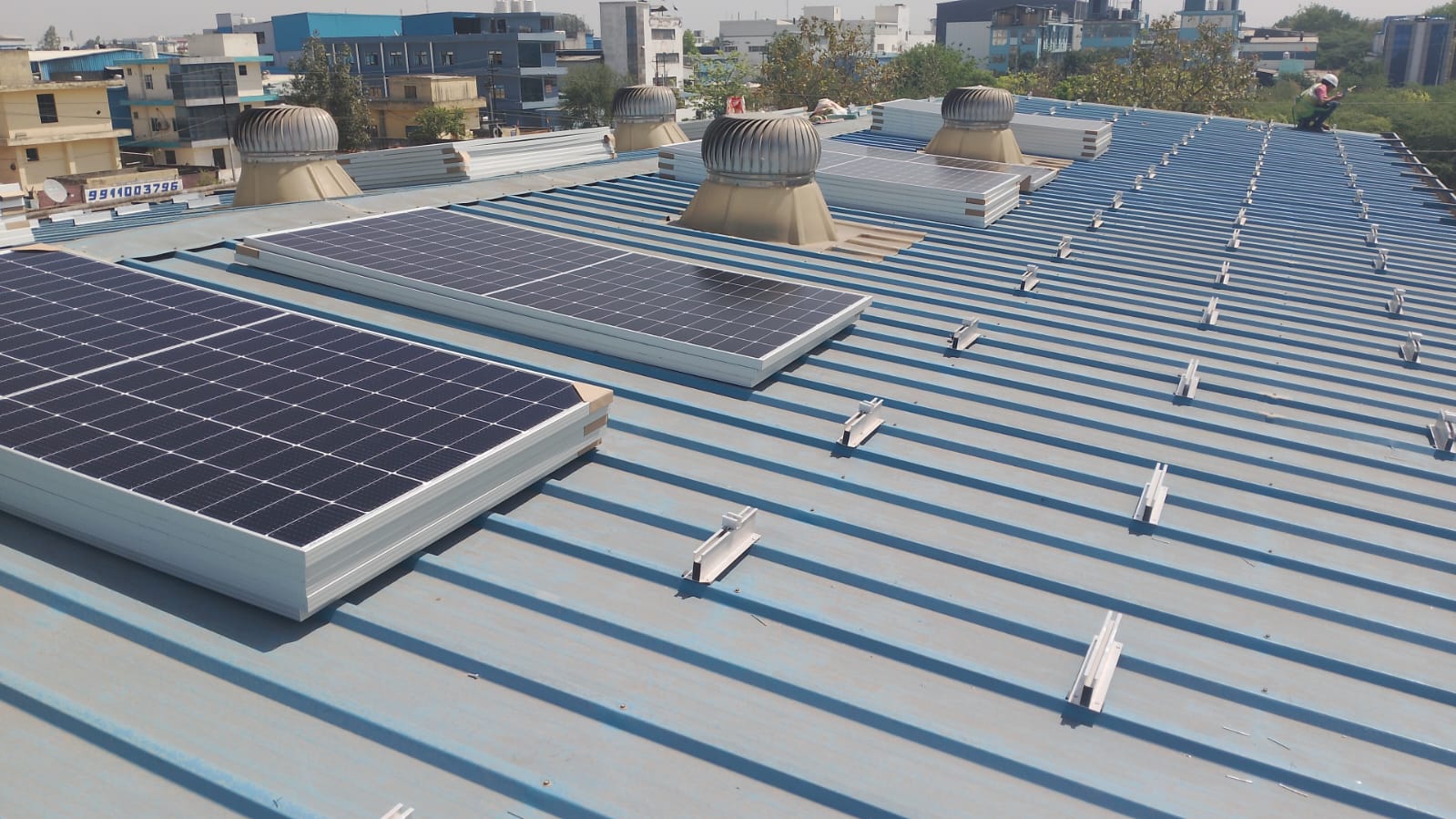
The automotive industry is on the brink of a revolution as it embraces renewable energy solutions to reduce its carbon footprint. Solar power stands at the forefront of this transformation, offering a sustainable path forward. Solar panels integrated into manufacturing plants, car dealerships, and even electric vehicle (EV) charging stations can dramatically cut energy costs while promoting eco-friendly practices.
Moreover, solar-powered charging solutions for EVs are set to reshape how we fuel transportation, making it possible to drive cleanly and efficiently without relying on traditional power grids. As automotive manufacturers continue to innovate, the integration of solar technologies into vehicle designs - such as solar roofs - offers a glimpse into the future of self-sufficient cars.
By adopting solar energy, the automotive industry not only aligns with global sustainability goals but also opens new avenues for cost savings and technological advancements. The transition to solar-powered solutions signifies a bold and essential step towards a greener, cleaner future for transportation. The journey has already begun, and the automotive industry is racing towards a solar-powered tomorrow.
At Maxoptimus Green Energy Technology Pvt Ltd (MGetEnergy), we are committed to innovation in solar power for the automotive industry. Solar energy provides a sustainable solution to the sector's energy challenges, offering environmental and economic benefits. As governments promote renewable energy and consumers embrace solar, the transformation of the automotive industry is inevitable. Solar power will lead the charge toward a sustainable and efficient future.
Is your industry ready to embrace solar energy? Contact MGetEnergy today to explore how we are Powering the Automotive Industry with Solar Energy. Visit www.mgetenergy.com or call us at +91 97177 43325 / +91 98218 76325 for a free consultation.