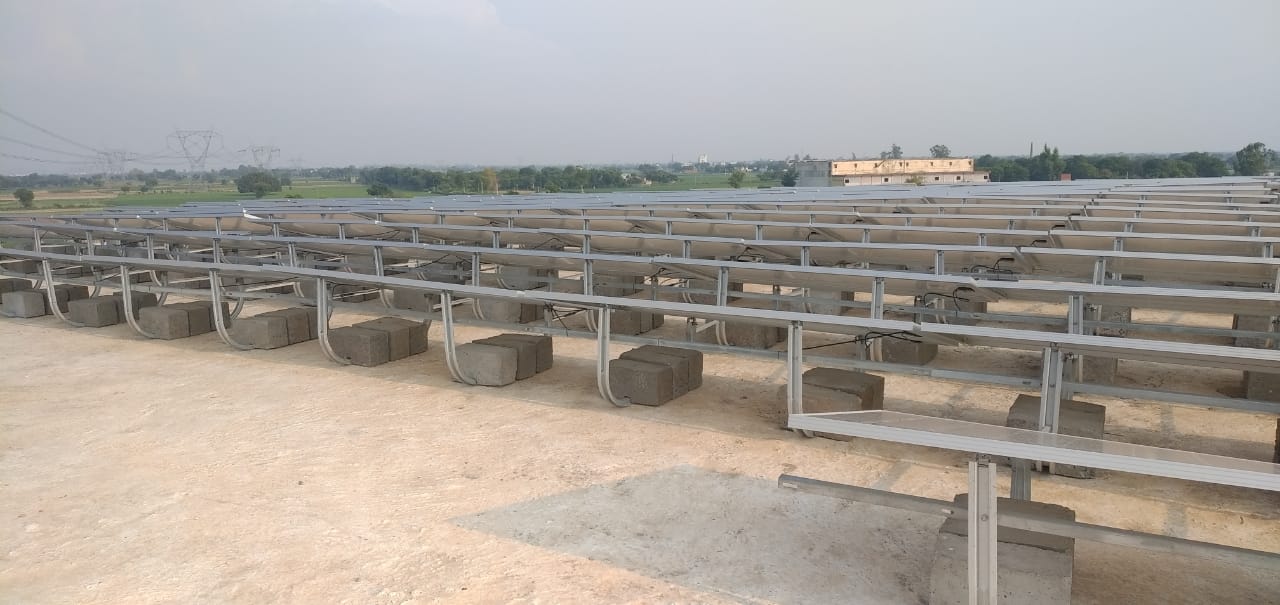
At Maxoptimus Green Energy Technology Pvt Ltd (MGetEnergy), we are committed to revolutionizing energy solutions by staying at the forefront of solar technology advancements. The year 2025 marks a significant milestone in solar innovation, where groundbreaking developments are reshaping the way we harness and utilize solar energy.
Why Staying Updated with Solar Innovations Matters
As the global demand for sustainable energy grows, staying informed about cutting-edge solar panel technologies is crucial for maximizing efficiency, reducing environmental impact, and ensuring long-term energy solutions.
Latest Solar Technology: Advancements in 2025
The solar industry is experiencing a technological renaissance, with key innovations such as:
Enhanced Efficiency Rates:
Multi-junction solar cells and advanced materials enable energy conversion rates exceeding 40% in lab conditions.Smart Solar Panels:
Integrated IoT sensors provide real-time monitoring, fault detection, and performance optimization through predictive analytics.Durable Materials:
Use of graphene coatings and enhanced encapsulants ensures panels withstand extreme weather conditions and last over 25 years.
Types of Solar Technology: What’s New?
Perovskite Solar Panels
Key Features:
Perovskite materials are inexpensive and can be deposited onto flexible substrates using roll-to-roll printing methods, reducing production costs significantly.Advantages:
Achieve efficiencies above 30% in tandem configurations and are lightweight, making them ideal for portable and urban applications.Challenges:
Stability and scalability for mass production remain areas of active research.
Quantum Dot Solar Cells (Emerging Technology)
Key Features:
Quantum dots, nanometer-scale semiconductor particles, absorb and emit light across a wide spectrum.Advantages:
High tunability and potential to exceed 45% efficiency by leveraging multiple exciton generation (MEG) mechanisms.Applications:
Thin, flexible cells suitable for wearables, building-integrated photovoltaics (BIPV), and lightweight aerospace applications.
Bifacial Solar Panels
Key Features:
Transparent backsheets or dual-glass structures allow energy generation from both sides of the panel.Advantages:
Up to 30% higher energy yield in reflective environments, such as snowy or sandy areas.Applications:
Ground-mounted solar farms and rooftop installations with albedo-enhancing surfaces.
Thin-Film Solar Panels
Key Features:
Composed of materials like cadmium telluride (CdTe), copper indium gallium selenide (CIGS), or amorphous silicon (a-Si).Advantages:
Lightweight, flexible, and capable of being installed on unconventional surfaces like curved structures.Applications:
Ideal for portable electronics, automotive roofs, and mobile power generation.
Transparent Solar Panels
Key Features:
Utilize organic photovoltaic (OPV) materials or transparent conductive oxides (TCOs) to absorb UV and infrared light while remaining visibly transparent.Advantages:
Transform windows, skylights, and facades into energy-generating surfaces without compromising aesthetics.Applications:
Urban architecture, greenhouses, and smart cities.
Heterojunction and Tandem Solar Cells
Heterojunction Solar Cells (HJT):
Combine crystalline silicon with amorphous silicon layers, achieving higher efficiency and lower degradation.Tandem Solar Cells:
Stack multiple layers of semiconductors to capture a broader range of sunlight wavelengths, pushing efficiencies beyond 40%.Applications:
Utility-scale solar farms and cutting-edge research prototypes.
Floating Solar Farms
Key Features:
Solar panels mounted on floating platforms over reservoirs, lakes, or oceans.Advantages:
Efficient land use, reduced water evaporation, and panel cooling through proximity to water.Applications:
Ideal for regions with limited land availability.
AI-Optimized Energy Systems
Key Features:
Integration of artificial intelligence and machine learning for predictive maintenance, energy forecasting, and grid optimization.Advantages:
Reduces downtime, enhances energy output, and ensures seamless integration with smart grids.Applications:
Large-scale solar farms and hybrid renewable energy systems.
Applications for Commercial & Industrial Use
Businesses can benefit from technologies like:
PERC Solar Cells:
Passivated Emitter and Rear Cell (PERC) technology enhances light absorption and minimizes electron recombination losses, increasing module efficiency by 1-2% over standard cells.Building-Integrated Photovoltaics (BIPV):
Seamlessly integrate solar modules into windows, roofs, or façades, providing dual benefits of energy generation and architectural appeal.
Solar Panel Efficiency Enhancements
Anti-Reflective Coatings
- Minimize light reflection and maximize sunlight absorption, boosting energy output by 2-3%.
Performance in Low-Light Conditions
- Innovations in cell architecture, such as textured surfaces and improved light-trapping designs, enhance performance in shaded or cloudy conditions.
Energy Storage Integration
- Combining solar panels with lithium-ion or solid-state batteries ensures consistent power supply, even during nighttime or grid outages.
Environmental Impact of Solar Technology
Modern solar panel technologies contribute to:
Reduced Carbon Emissions:
Higher efficiency panels generate more energy per unit area, reducing the carbon footprint.Recyclable Materials:
Innovations in manufacturing use recyclable metals and polymers, lowering waste.Global Renewable Targets:
Drive adoption of clean energy and reduce dependency on fossil fuels.
Future Trends in Solar Panel Technology
Space-Based Solar Technology
Concept:
Satellites equipped with solar panels beam energy to Earth via microwaves or lasers.Potential:
Offers 24/7 energy generation, unaffected by weather or nighttime conditions.
Plug-and-Play Solar Systems
Innovation: Pre-assembled and modular systems allow for faster installations and scalability.
Benefits: Cost-effective and ideal for remote or off-grid locations.
Quantum Advancements in Materials
Emerging Materials: Graphene and quantum dots improve durability, flexibility, and energy conversion rates.
MGetEnergy: Leading the Charge in Solar Innovation
At MGetEnergy, we’re proud to integrate these advancements into our solutions, delivering unparalleled value to our clients. From urban spaces to industrial applications, our cutting-edge solar EPC services redefine what’s possible in renewable energy.
Conclusion
The innovations in solar panel technology in 2025 present unprecedented opportunities for sustainable energy solutions. As pioneers in the solar industry, we encourage businesses and homeowners alike to embrace these advancements and join the green revolution.Looking for a trusted partner in solar solutions? Choose MGetEnergy – the Best Solar EPC Company in India.